
Report
2 min read
• May 13, 2026Investing in STEM education
ExxonMobil works with local educators, universities, nonprofits, and global academic leaders, including the selected examples highlighted here, to address the science, technology, engineering and mathematics (STEM) education gap.
Report
2 min read
• May 13, 2026Navigate to:
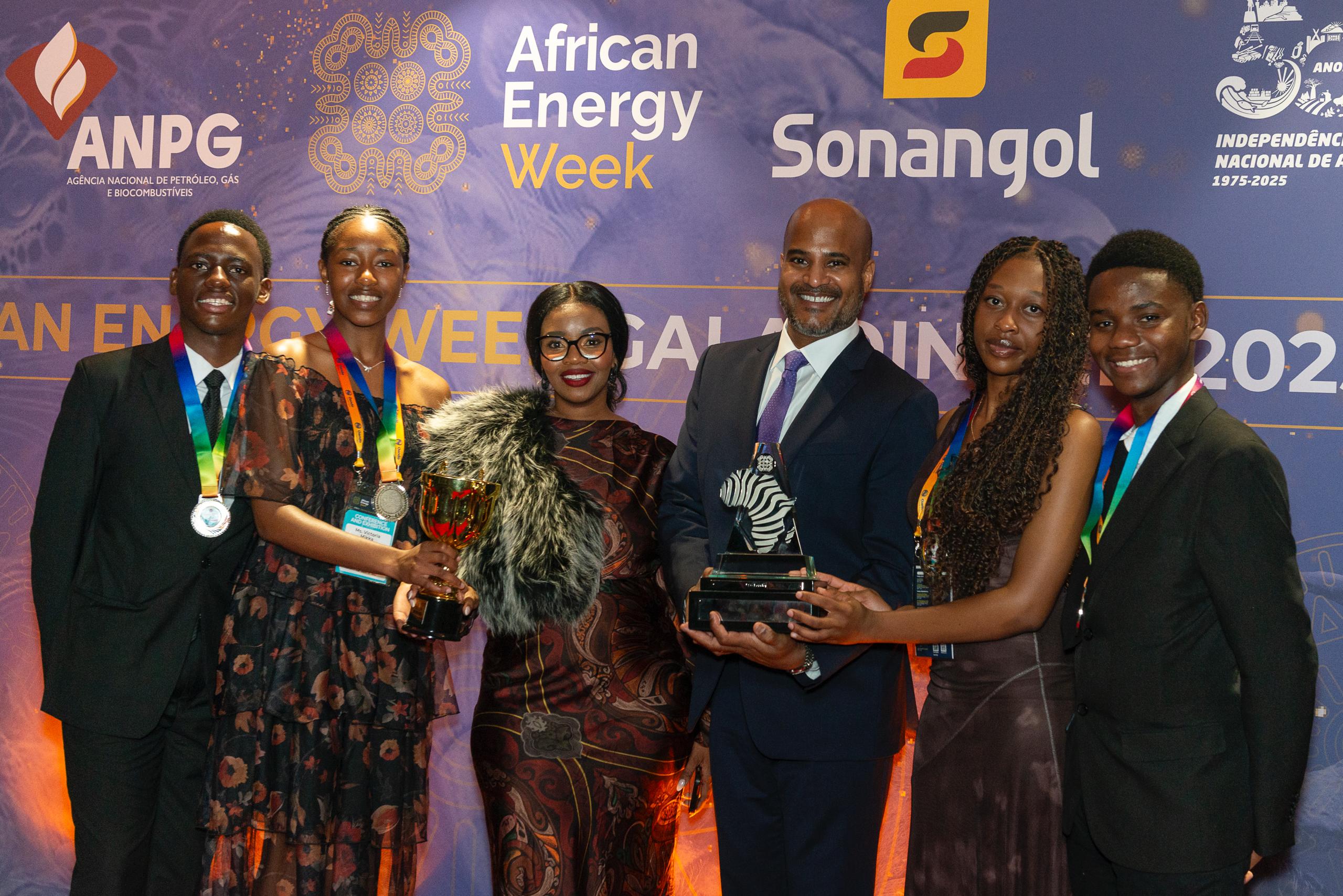
Advancing the next generation of STEM leaders in Africa
Africa’s future STEM innovators took center stage at the second annual ExxonMobil Foundation STEM Africa Regional Finals, hosted in partnership with Junior Achievement Africa during African Energy Week in Cape Town. The program reached approximately 3,000 students across Nigeria, Namibia, Angola, and Mozambique through online quizzes, in-person competitions, and STEM Innovation Camps. This culminated in 16 finalists presenting STEM-driven solutions to challenges such as food insecurity, clean water access, sanitation, and energy. Students showcased projects, including sustainable aquaponics systems, solar powered water purification, waste removal technologies, and biogas solutions, highlighting the role of hands-on STEM learning and mentorship in driving community-based innovation and inspiring young people to pursue STEM careers across the continent.
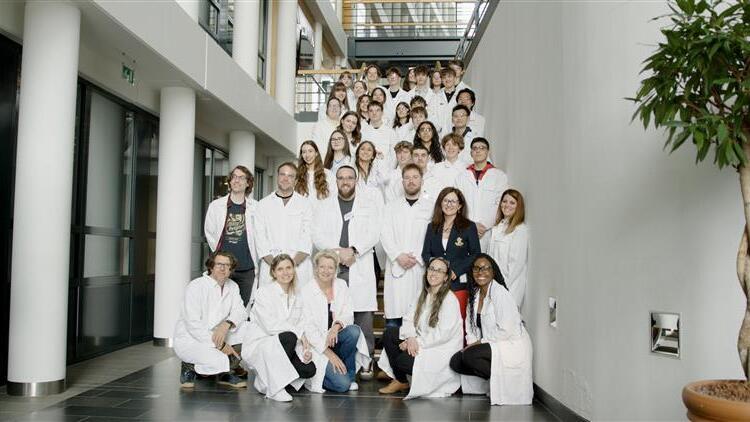
Applying STEM skills to real-world challenges across Europe
ExxonMobil supported the Sci‑Tech Challenge in collaboration with Junior Achievement Europe, bringing together students from across the region to apply STEM skills to real world problems. Students worked together across borders to design practical engineering solutions. Projects were focused on ideas to improve plastic recycling efficiency, while encouraging innovation, teamwork, and early awareness of STEM career opportunities.
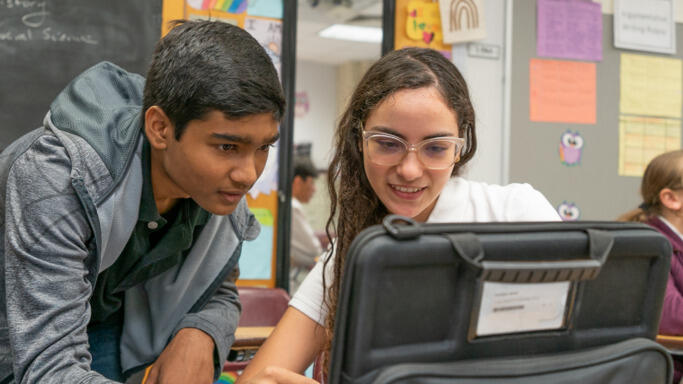
ExxonMobil Foundation expands Texas STEM learning through Khan Academy
Through a $17 million investment from the ExxonMobil Foundation, the Open Doors Project with Khan Academy continues to expand access to free, high-quality STEM education resources for students and teachers. In 2025, students used Texas-aligned math and science courses for grades 3–12 for 106 million minutes of learning, while 52% of Texas teachers accessed first‑of‑their-kind instructional resources aligned to state standards. The initiative supports student achievement and educator effectiveness by making digital STEM learning tools widely accessible.
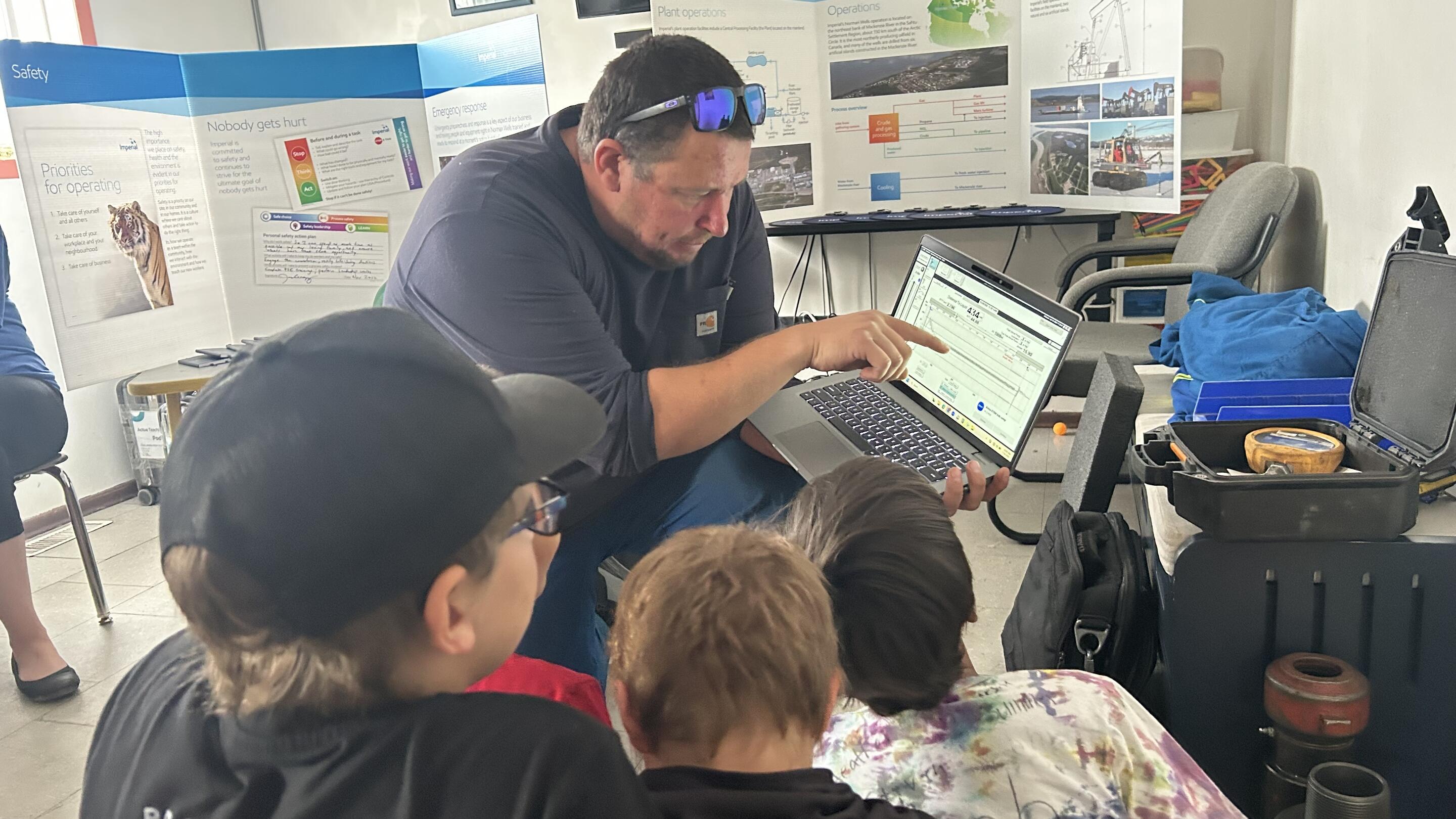
STEM in the Sahtú: Learning that reflects the land in Canada
Through Imperial, an ExxonMobil affiliated company in Canada, we are helping expand STEM education in the Sahtú Region of the Northwest Territories. At Mackenzie Mountain School in Norman Wells, students apply science, technology, engineering, and mathematics to real world challenges like watershed health, caribou migration, and local infrastructure needs. Hands-on learning guided by themes like “water” and “robotics and coding” builds problem solving skills, confidence and career readiness while strengthening community engagement in a remote northern region.
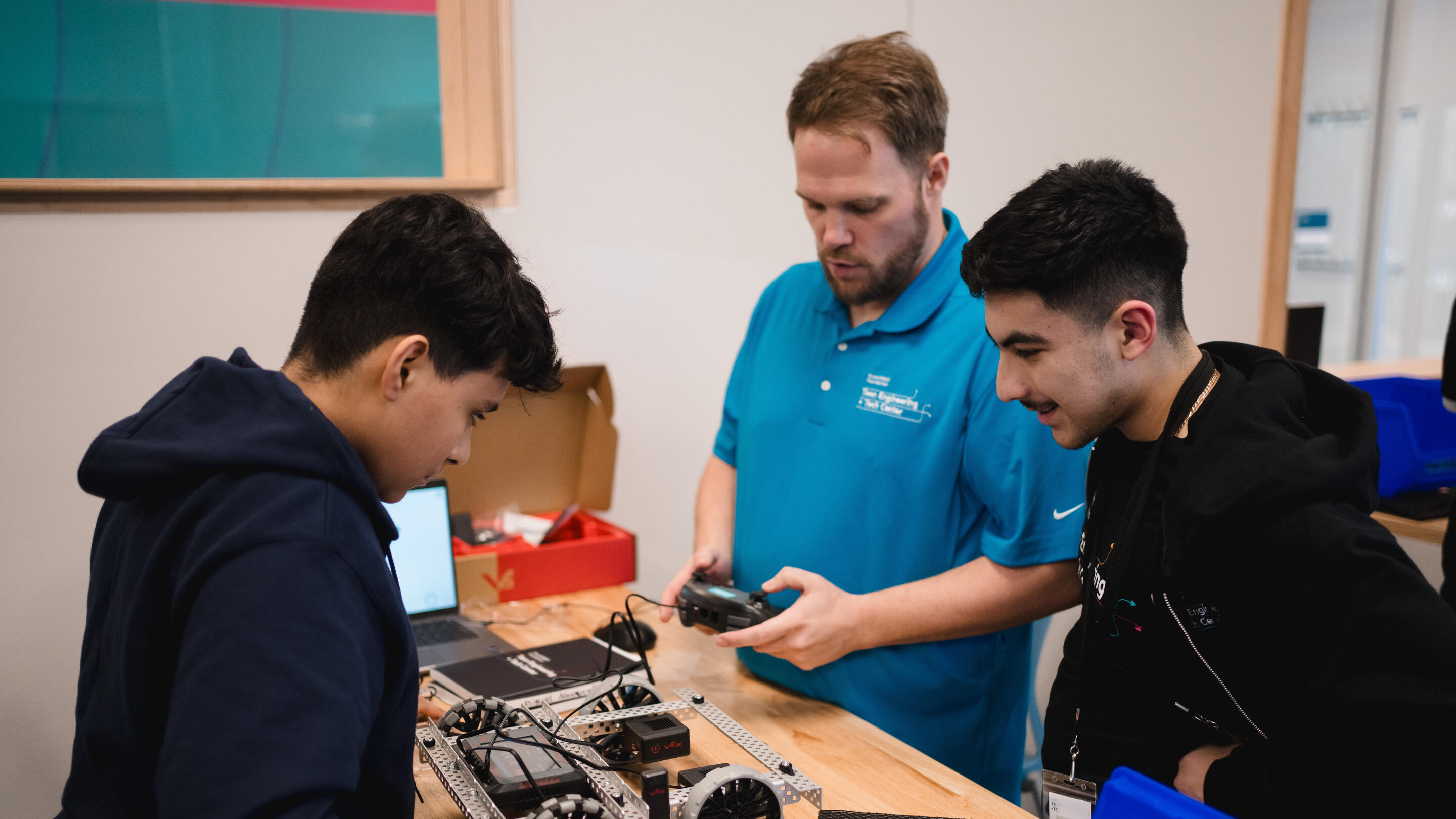
Teen Engineering & Tech Centers open pathways to future STEM careers in Texas
The ExxonMobil Foundation supports the Teen Engineering & Tech Centers (TETCs) in Spring and Houston, Texas, which provide free, after‑school STEM programming for underserved high school students. By 2027, the centers will engage 500 students annually, offering hands-on instruction that helps students explore engineering and technology concepts while building skills for future STEM careers and better financial opportunity. The TETC pilot is demonstrating early academic and engagement gains. Students are outperforming peers in Algebra I grades and state assessments, showing stronger interest in STEM careers—and they are also returning at a 96% rate, supporting continued expansion with 130 new freshmen added in year two.
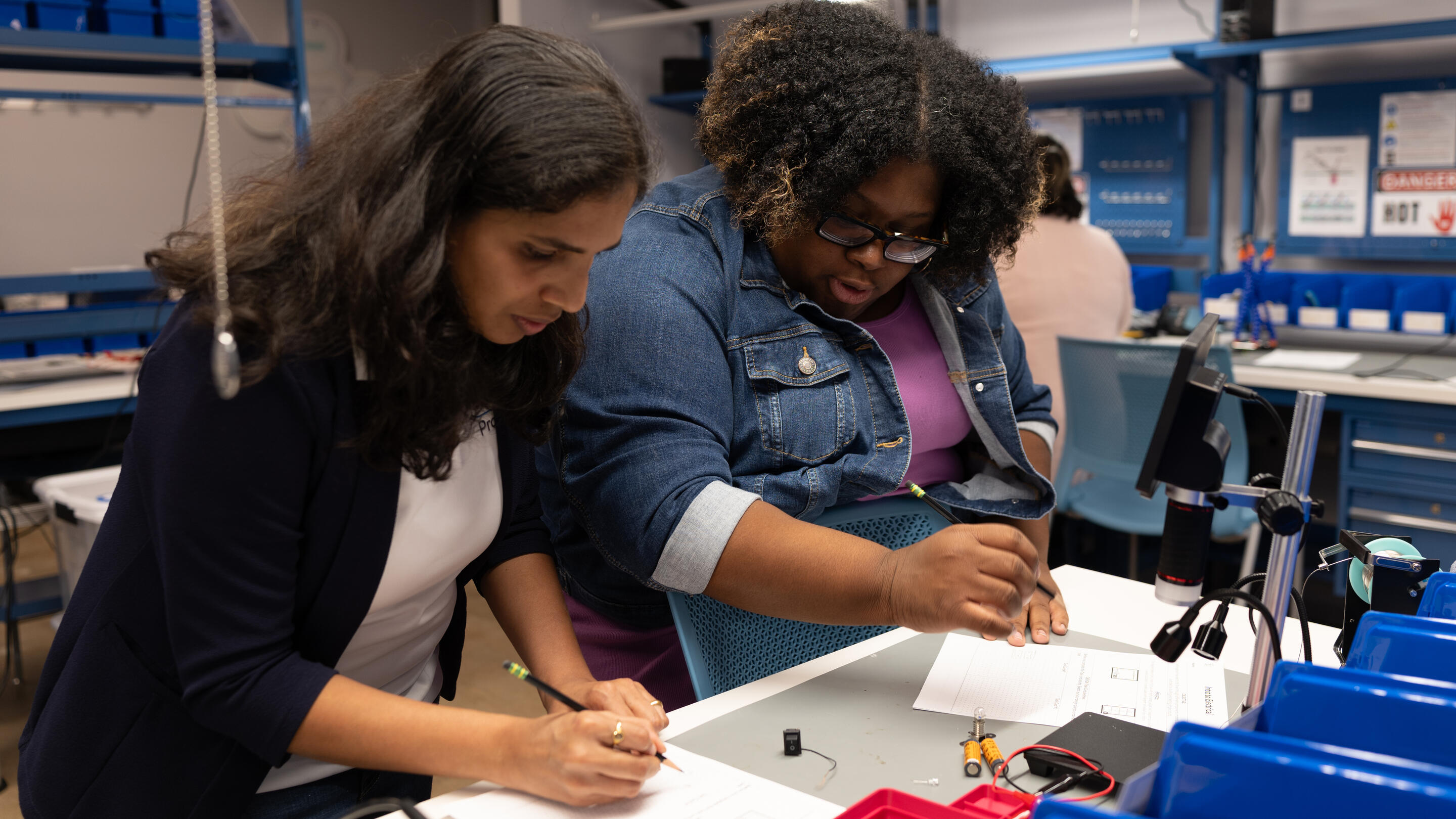
University of Houston STELLAR empowers teachers to transform STEM learning
The ExxonMobil Foundation partners with the University of Houston College of Education to support the Teacher STEM Training Program (UH STELLAR), a one‑year, research‑based professional development program for middle and high school math and science teachers at Title I schools. During the year, 50 teachers participated in advanced STEM training at no cost, strengthening classroom instruction for 5,000 students across participating school districts. Teachers who complete the program earn a University of Houston Certificate in STEM Education or a Texas teaching certificate.
Publications
Explore more
Economic development and community resilience
Report
•
2 min read
• May 13, 2026
Volunteering in local communities
Report
•
2 min read
• May 13, 2026